
A case study in B2B product design and development
The Context
The Company

Workplace Technologies Research, Inc. is a small consultancy based in San Diego, California. Comprised of Cognitive Psychologists, Economists, Product Designers and Developers, WTRI are best known for using technology to accelerate learning and develop expertise for businesses in a variety of sectors. One of their main methods for accelerated learning are their FutureView™ Virtual Worlds.
My Role
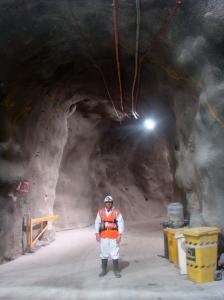
From 2010-2013, I served as the lead designer for WTRI’s FutureView™ Virtual Mining Simulations. As a Cognitive Scientists specializing in Human-Computer interaction, my job was to serve as the link between the Cognitive Psychologist Researchers and the Product Development team.
Because WTRI is a small consultancy, my responsibilities within the organizing were extremely varied. First, I was part of the research team, constantly visiting mines and interviewing subject matter experts. Second, I served as an associate product manager, guiding the product during its development. Lastly, I was lead designer, responsible for translating high-level psychology concepts into design elements.
The Theory
The theory is simple: learning happens and expertise develops after repeated failure. In other words, in order to learn how to do something well, one must try and fail many times. In order to become the greatest Basketball player of all time for example, Michael Jordan surely had to miss thousands and thousands of shots.
However, when it comes to high risk occupations like mining, each failure could very well be your last. For that reason, we developed a simulation in which mining employees could carry out their job and learn safe work practices by reacting to dangerous situations and observing the likely consequences of unsafe behaviors.
The Research
The INDUSTRY
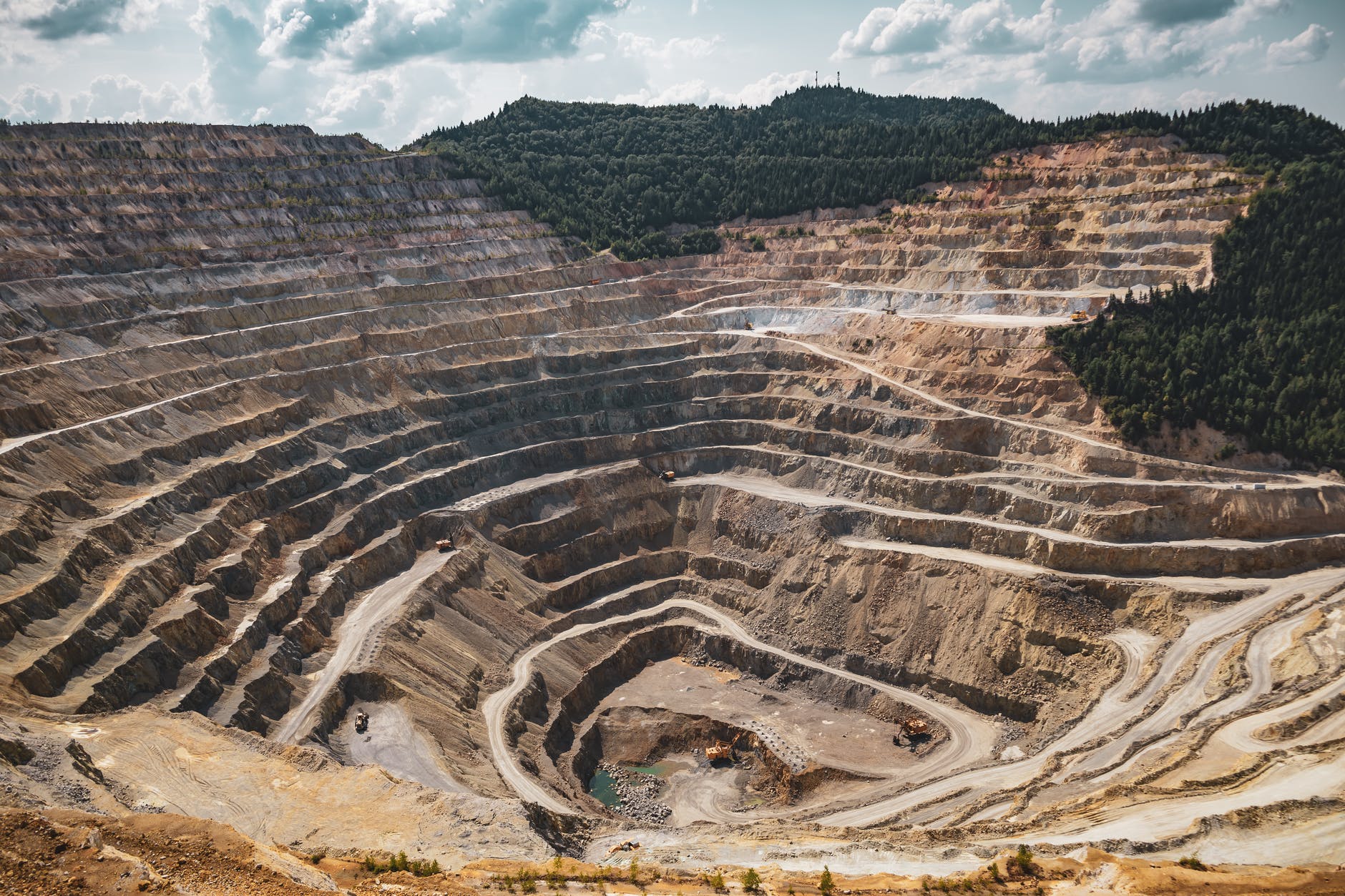
To begin the project, we had to spend several weeks learning about the mining industry and mines in general. What were the different types of mines? How did they work? What were the risks and typical incidents?
Visits and Interviews
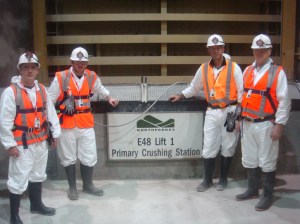
In the initial stages, we visited several mines in the U.S. and Australia. We interviewed the miners, observed their work, and even rode along with them in their trucks during their shifts.
Additionally, throughout the entire process we were in constant contact with real mining employees. We conducted interviews and provided updates on a regular basis.
3D Design
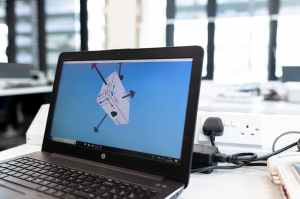
Personally, I had to spend a great amount of time researching 3D design and virtual worlds. I started to teach myself how to design in 3ds Max , animate the objects, and import them into the virtual world platforms.
While working on the project, I also took courses at the Virtual Design and Construction Institute. I earned certificates in 3D and Computer-Aided Design.
Design and Development
The Environment
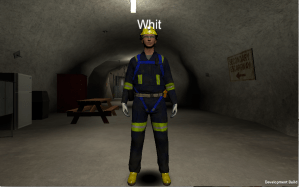
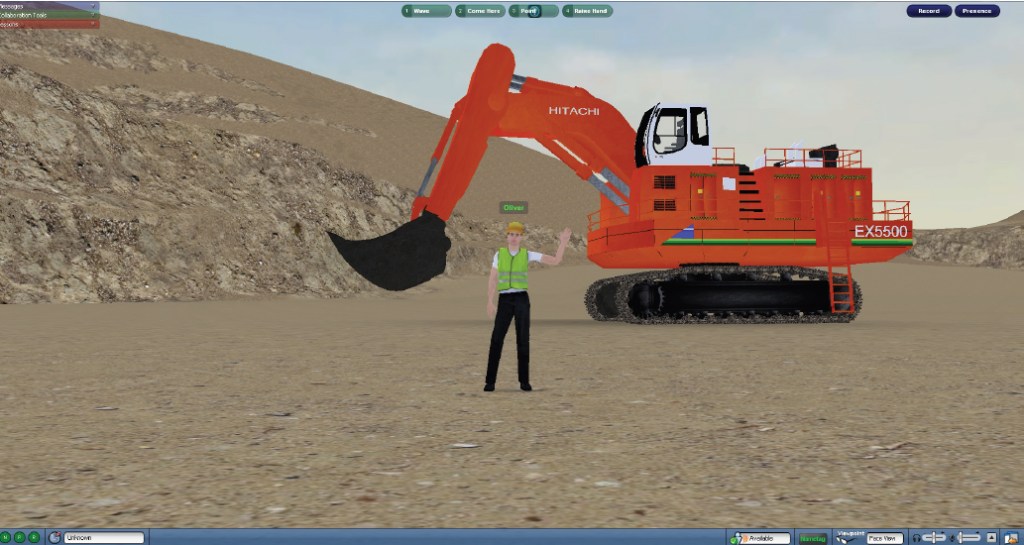
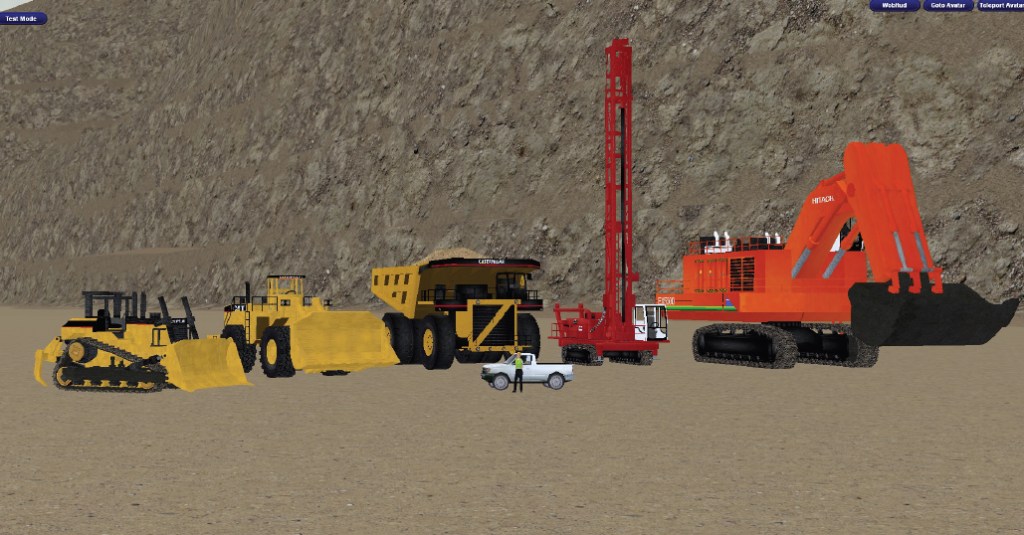
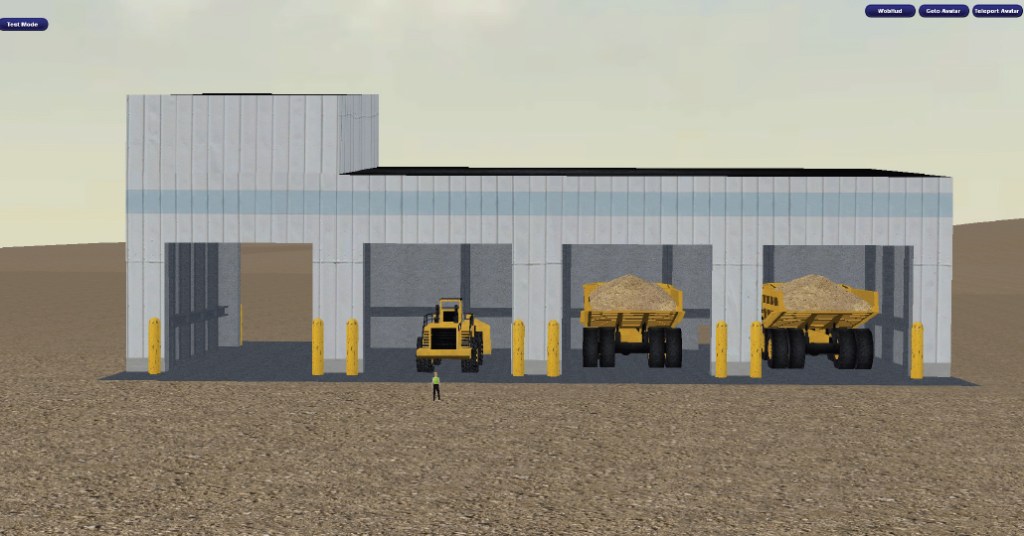
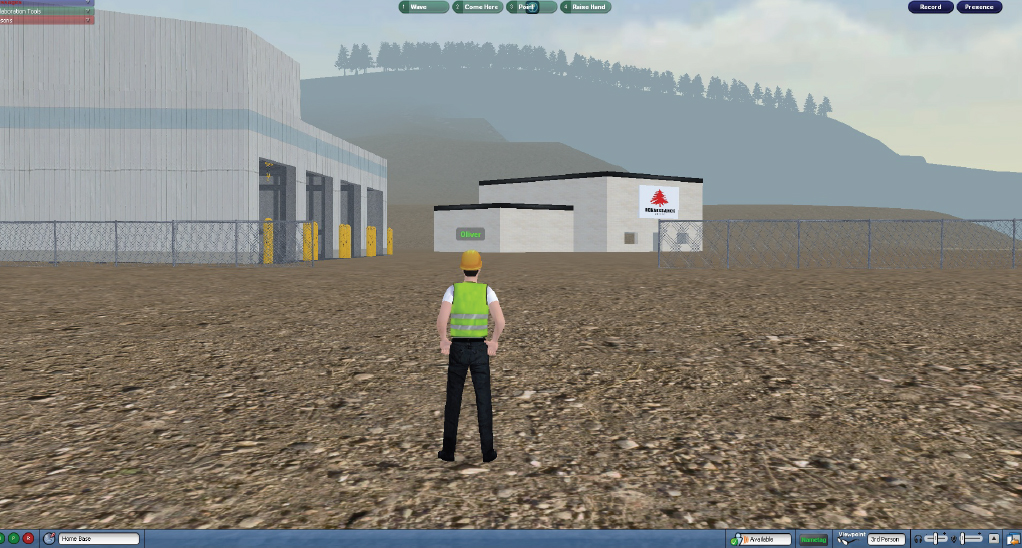
The first thing we had to do was design the entire virtual environment. For this, I personally created and imported almost every single 3D element into the virtual world: the vehicles, the uniforms, the buildings, the tools, and even the mine itself.
The Interface
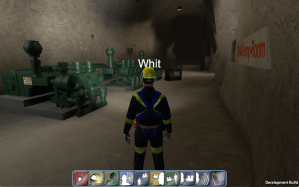
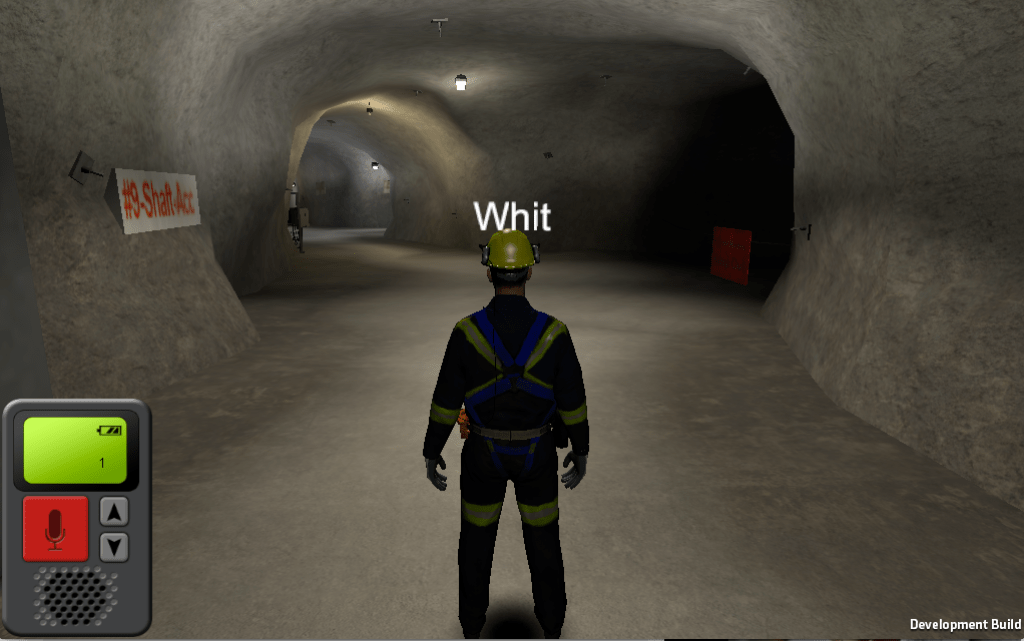
Based on our ongoing interviews with the miners, we were able to design an interface which allowed them to perform many of their daily tasks (communicating over the radio, turning on their headlamp, etc.). Furthermore, we were able to program many of the objects within the world, turning them into smart objects. This allowed the users to perform various actions by right clicking.
the Roles and Flow
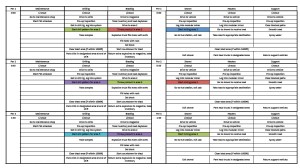
In order for the users to effectively learn within the environment, we had to design the possible interactions based on the actual roles and workflows within the mine. The managers, the truck drivers, the maintenance crew, etc. all had to be able to carry out their jobs within the virtual simulation.
The Event Generator
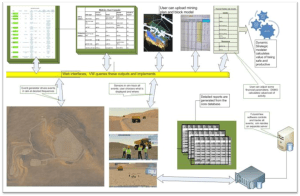
In order to accelerate learning, we had to generate events within the world for the users to respond to. Based on data we gathered about dangerous events, proper responses, probable consequences etc., we designed a ‘disaster database’.
When we attached the database to the virtual world, it would produce certain dangerous events. Using the interface mentioned above, the users were able to respond in a variety of ways. Their response would subsequently trigger other events, just like in real life.
Metrics and Feedback
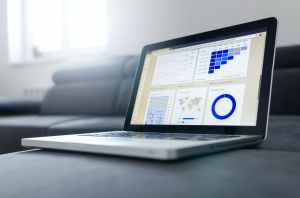
One of the advantages of virtual simulations is that we can measure nearly everything that happens (ore recovery, loss-time injuries, minutes in mine without proper PPE, equipment loss, etc.). We designed the dashboards based on the KPIs of each individual client. Based on these indicators, we would track users’ actions and calculate certain metrics. In terms of learning, this was absolutely the most important step.
The Product
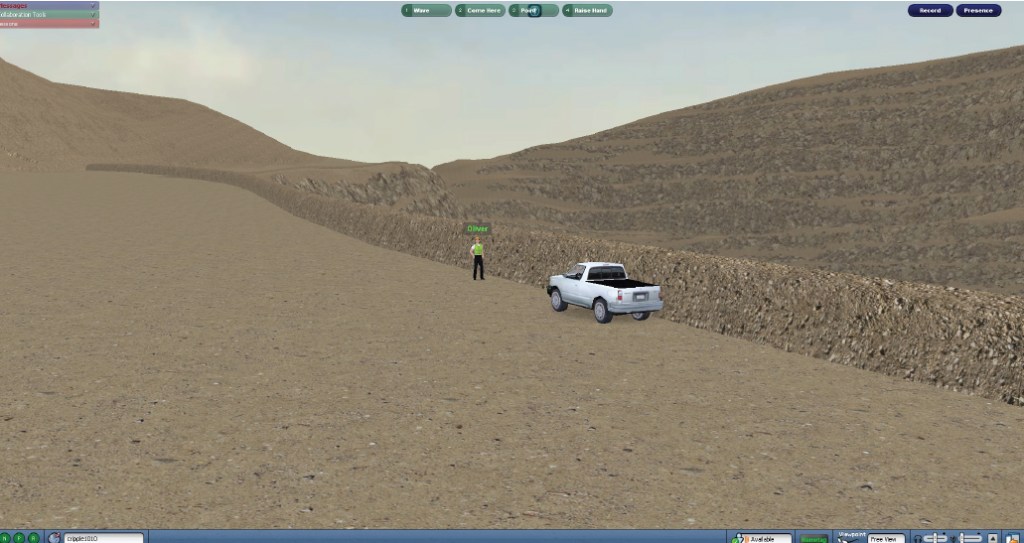
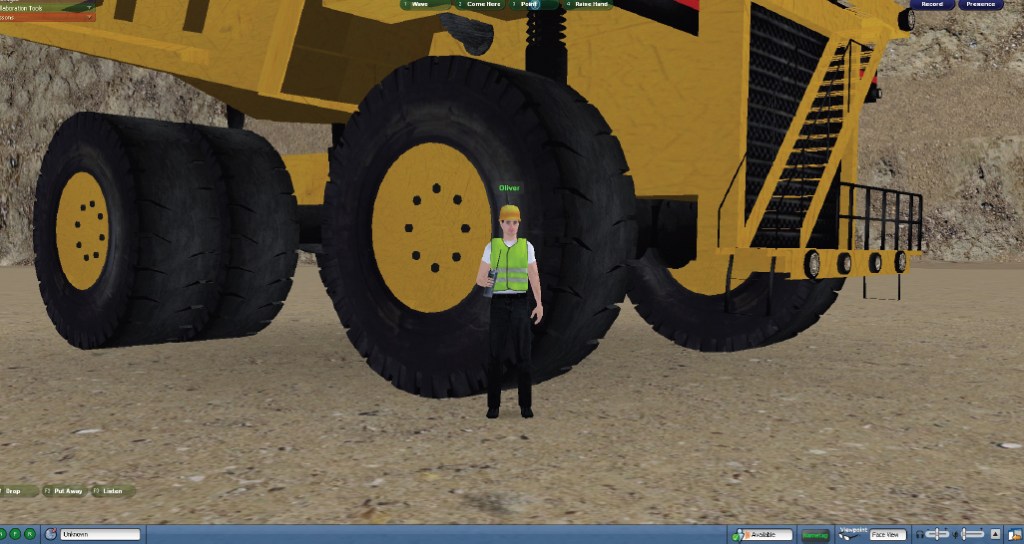
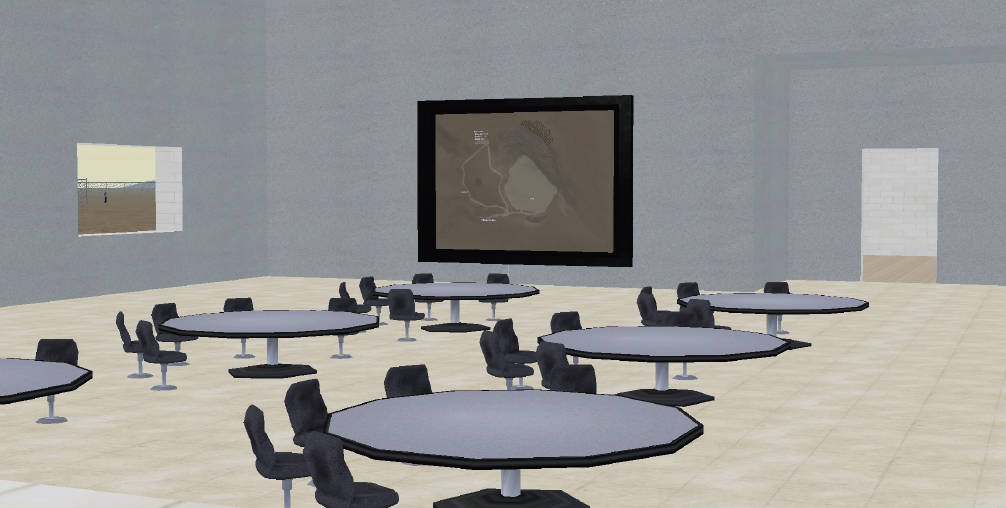
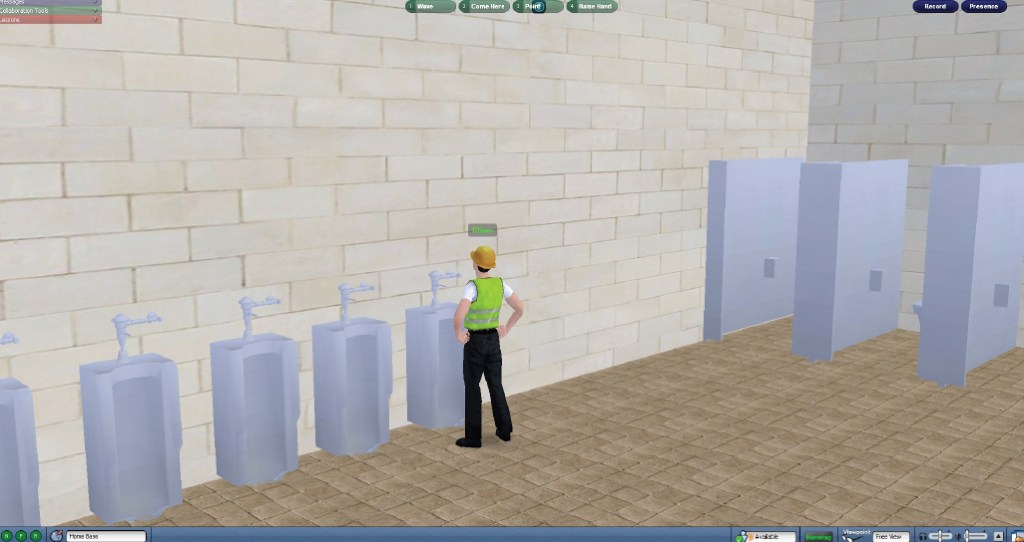
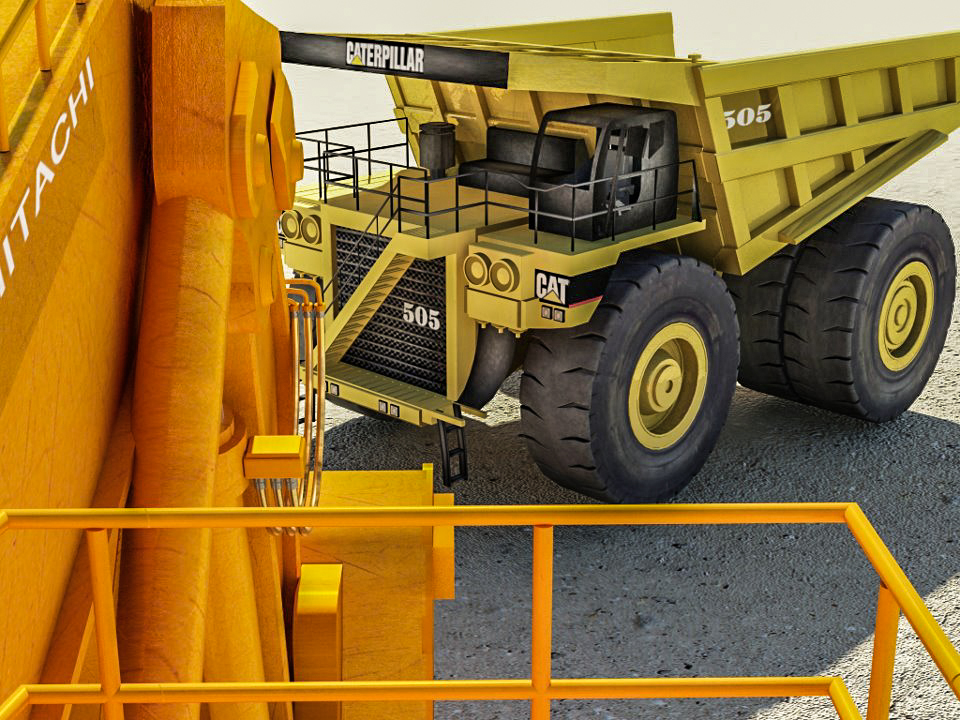
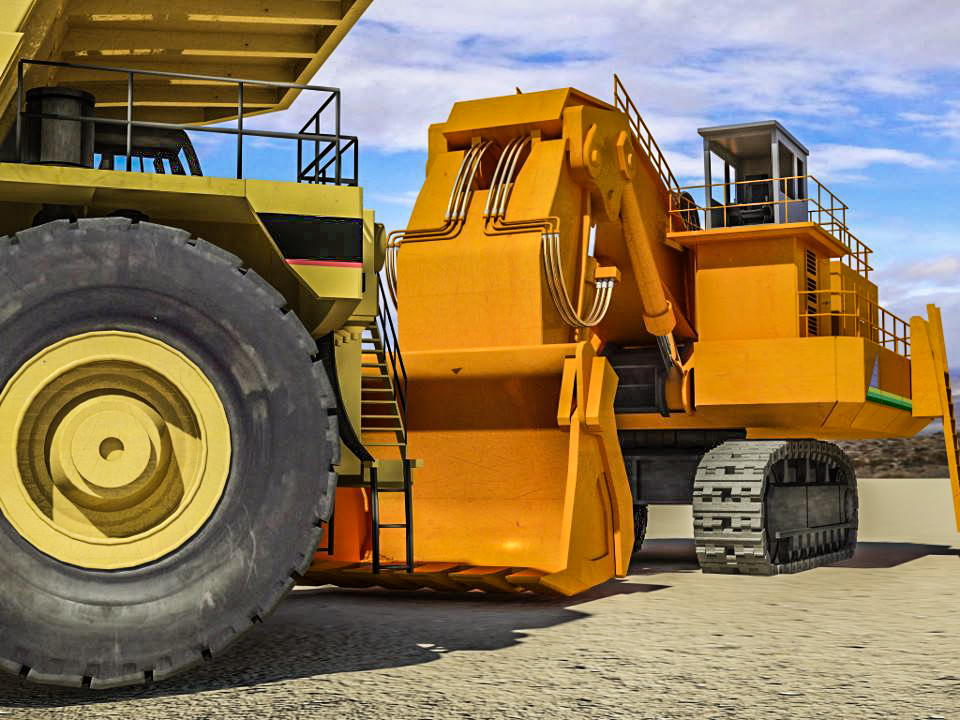
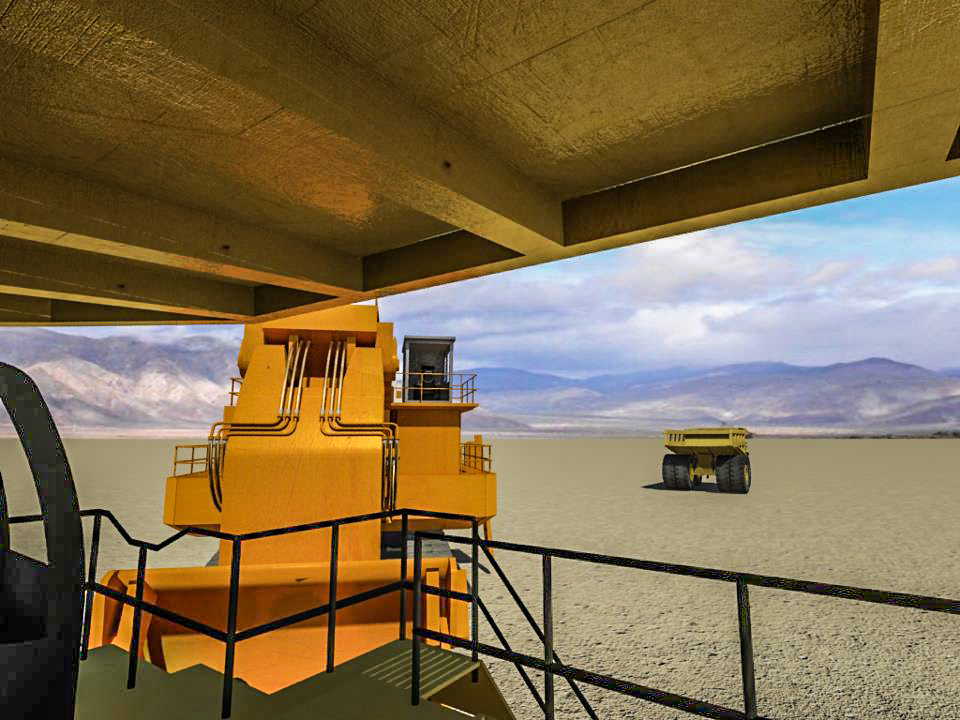
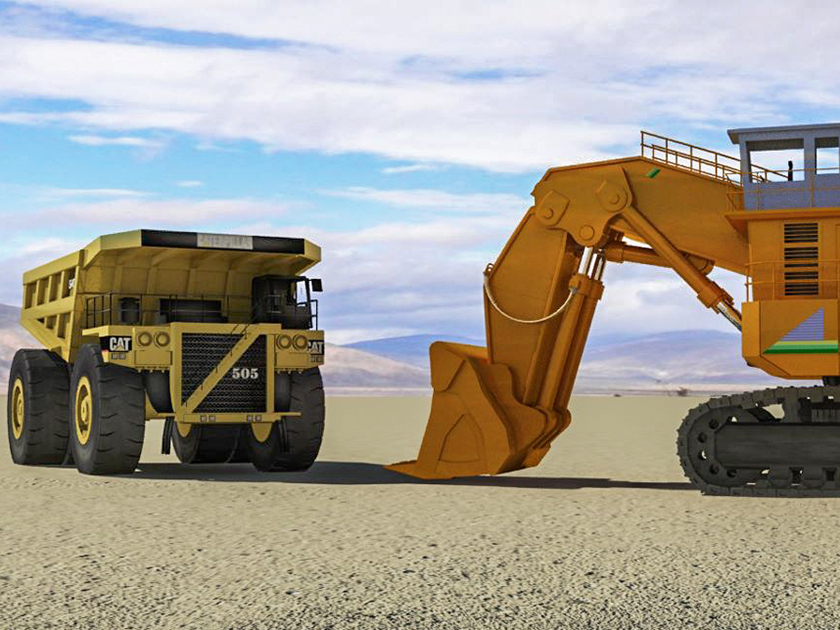
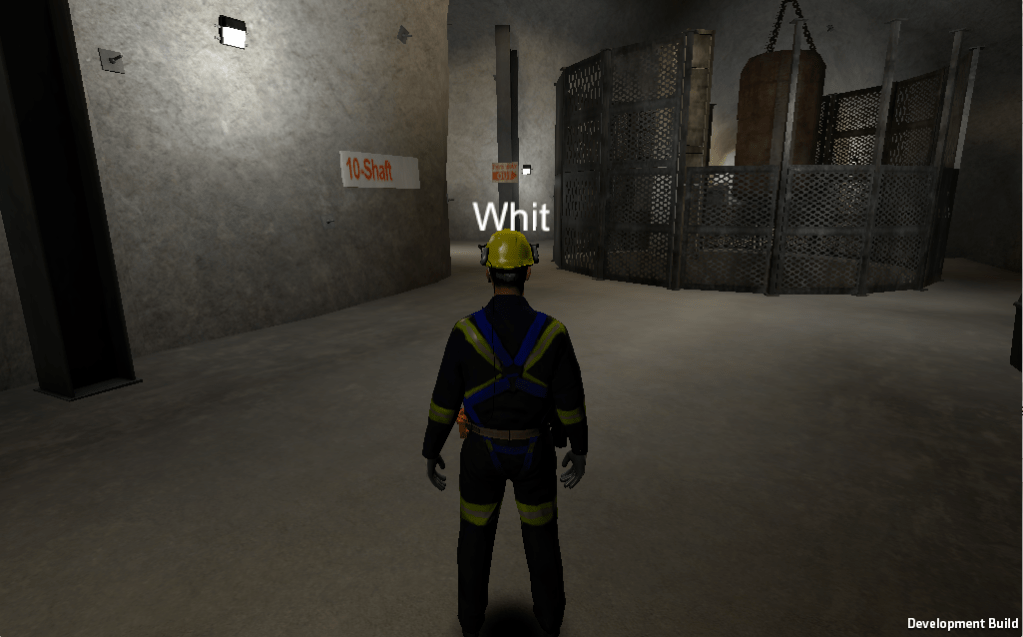
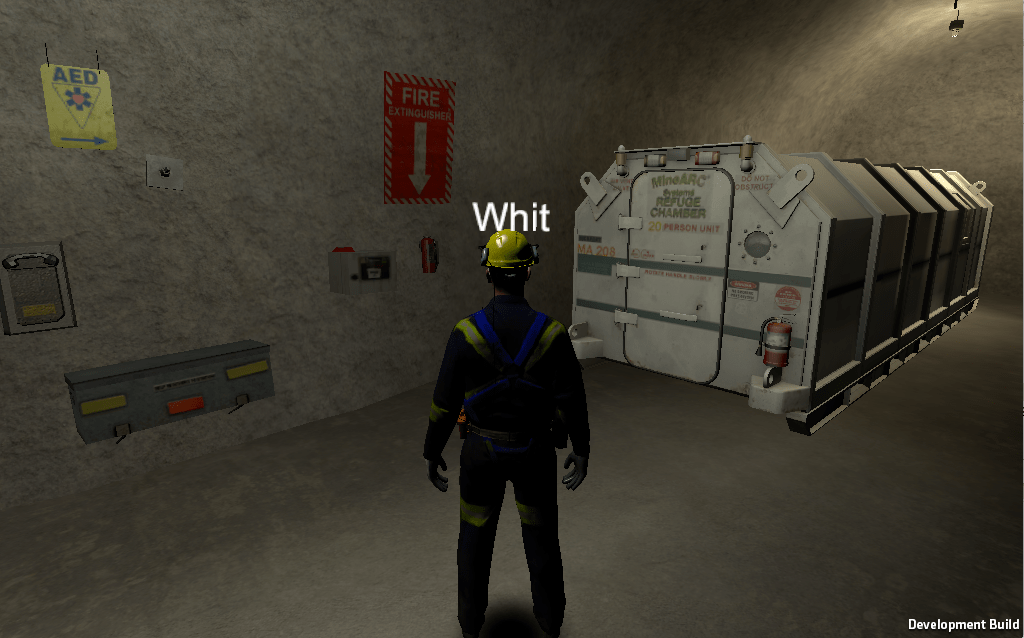
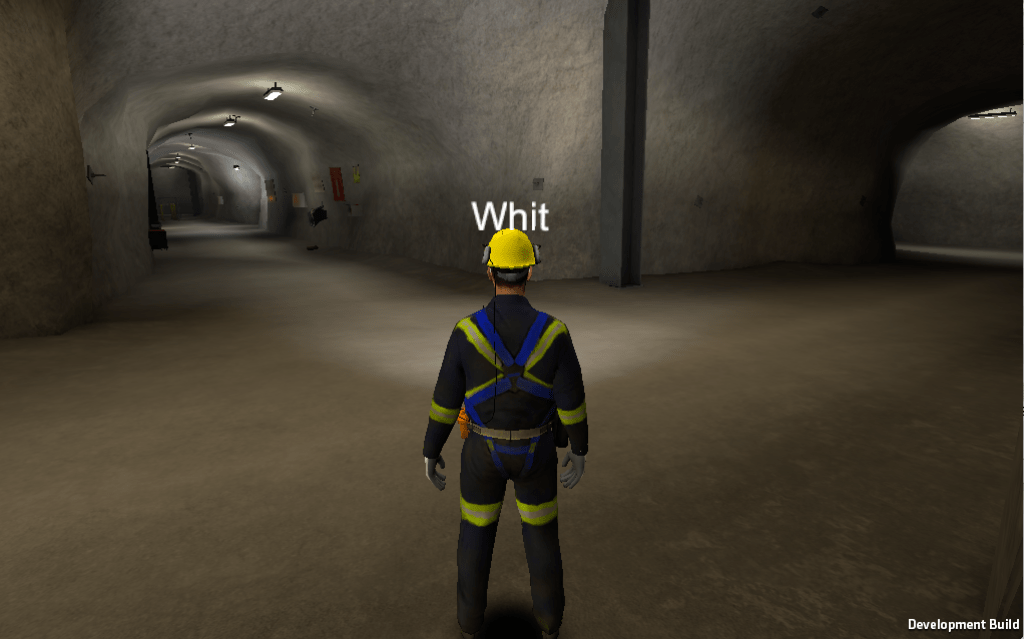
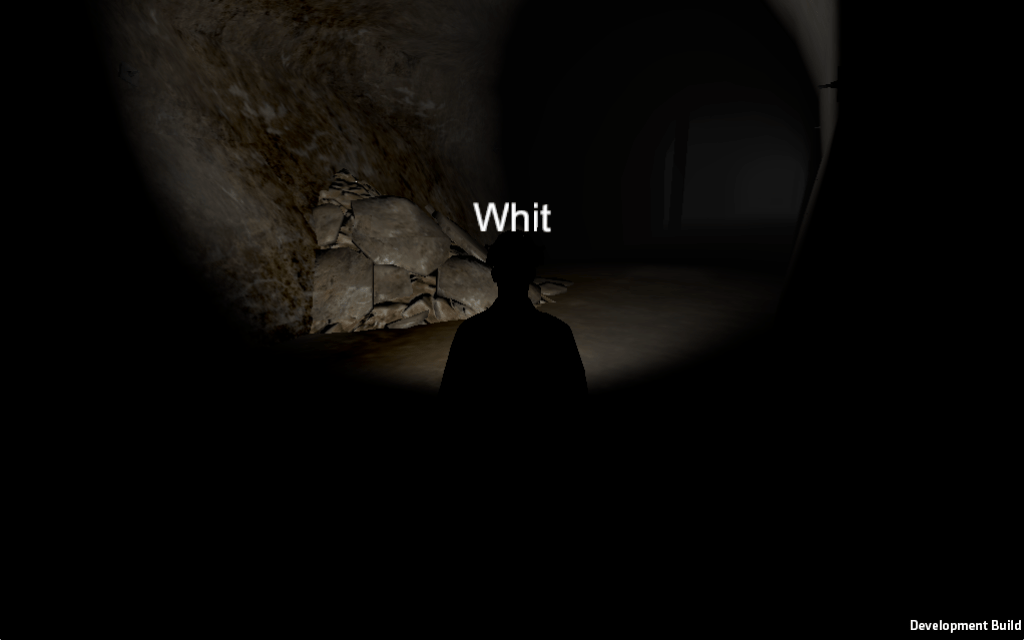
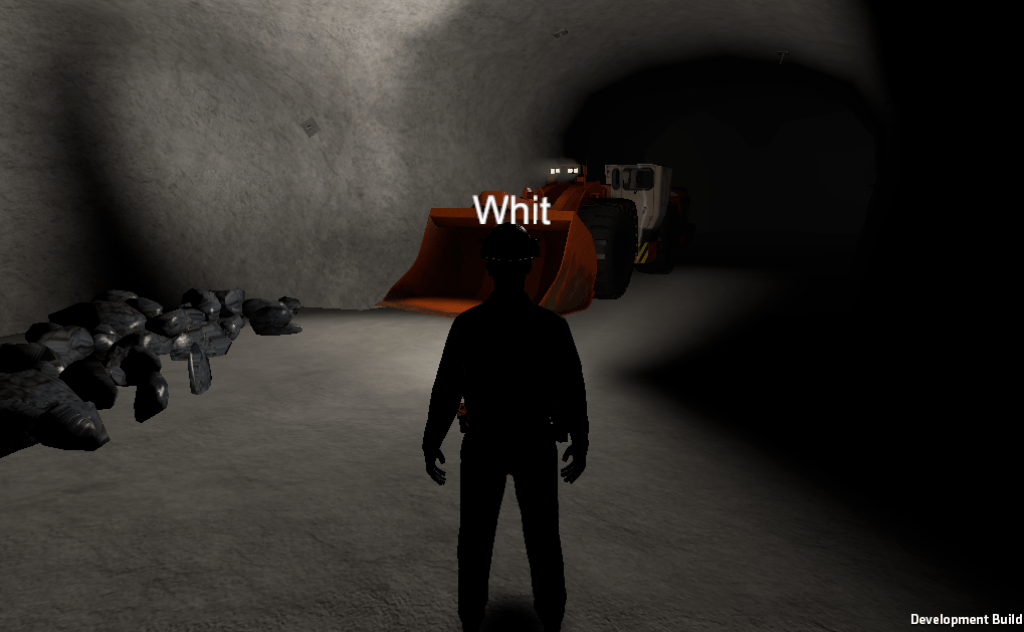
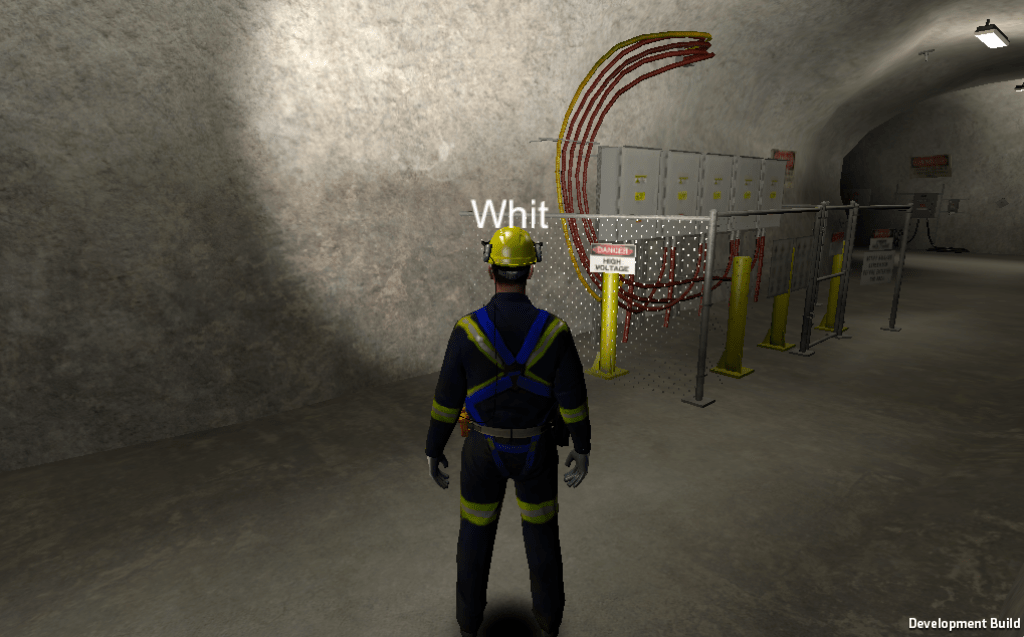
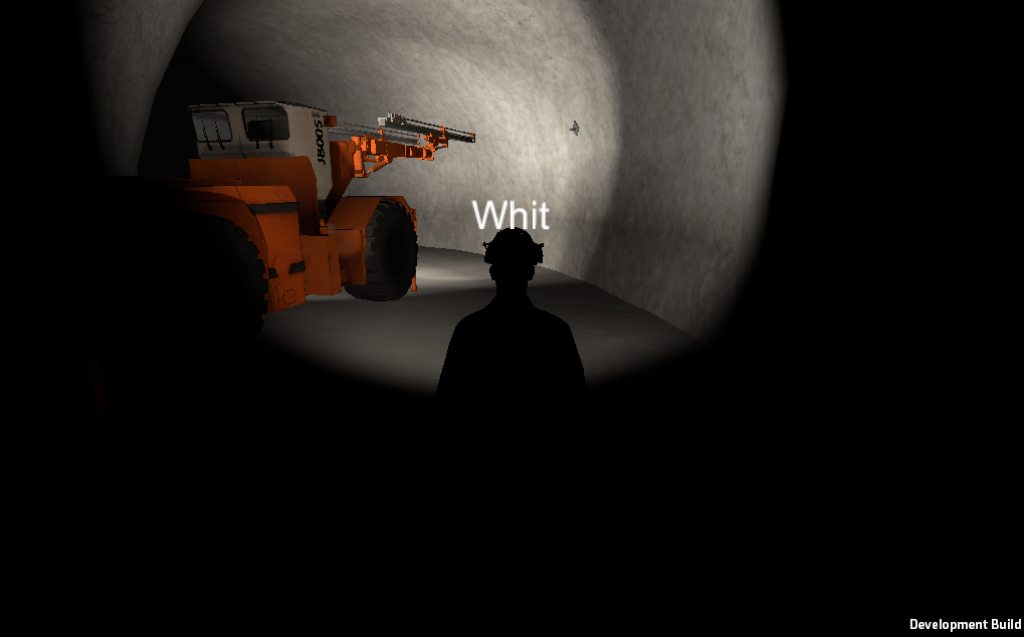
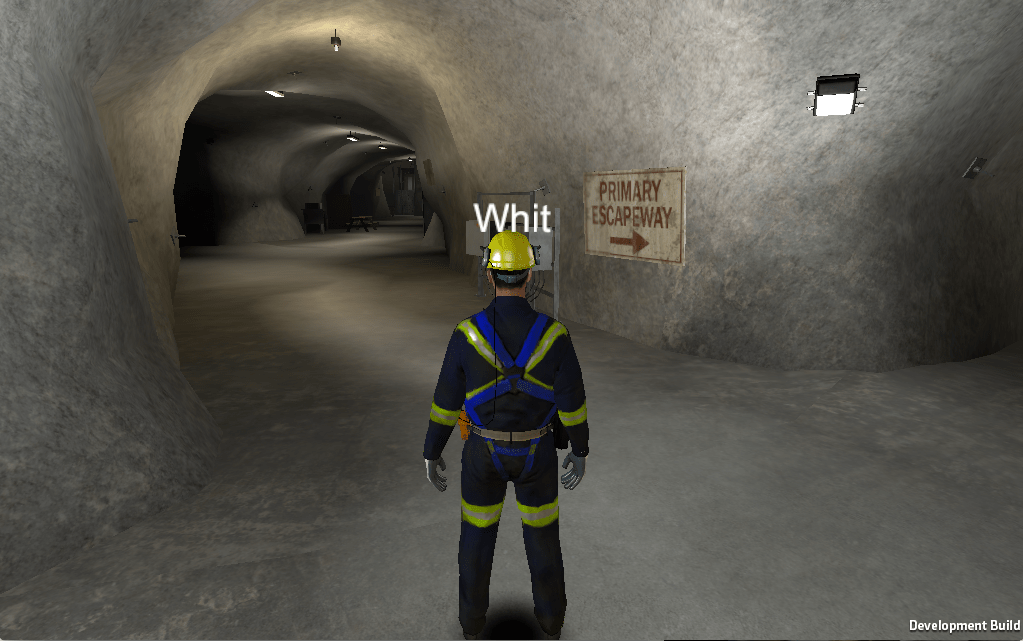
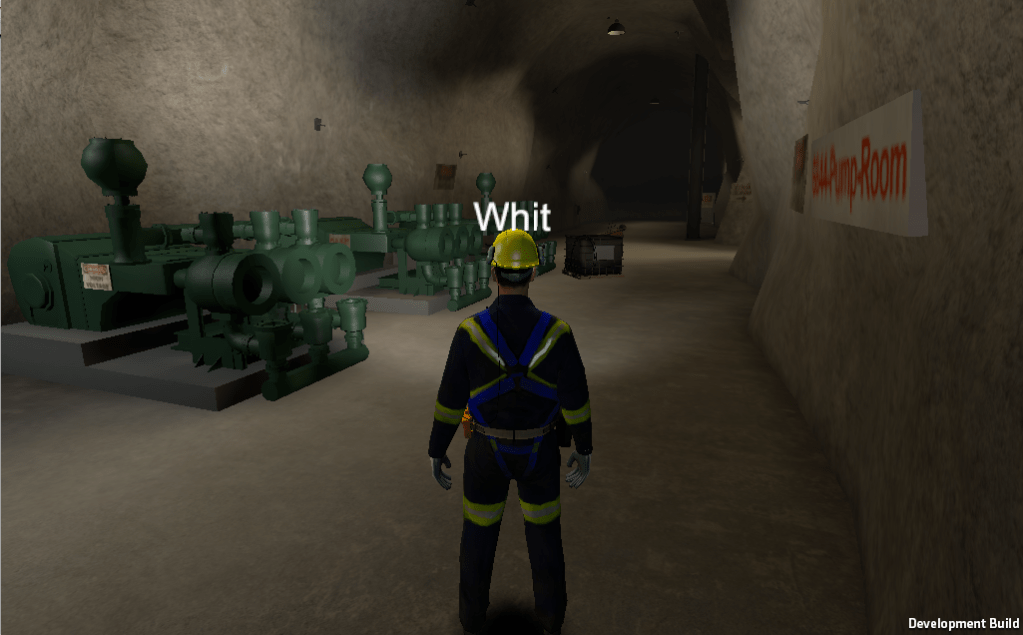
We iterated many times over the years and also created a variety of designs for several different clients. While I don’t have pictures from the entire process, below you can see some pictures showing how we went from very basic prototypes to a more advanced product:


Reflections
Results
Results varied by client, but for example in our Underground Rapid Response simulation for Rio Tinto, participants had a 30% (sometimes greater) improvement in the time it took to reach safety following a significant safety event. Debrief sessions revealed a heightened awareness of the safety environment, including locations of key equipment; e.g. self-rescuers and refuge chambers.
Value for the client
Immersive Engagement

Learn not just what decisions need to be made, but how and why good decisions are made
ACCELERATED OUTCOMES

Allows workers to rehearse scenarios that may happen infrequently in a short period of time
DETAILED FEEDBACK MECHANISMS

Real time feedback and debriefs sensitizes workers to high potential energy interactions
PErsonal Learnings
1. B2B Product Development
COMBINING UX, LEARNING THEORY, AND BUSINESS ANALYTICS
For this product, I had to learn and become proficient in at least 3 different fields:
First, I had to serve as a UX Designer. I had to research the users, understand their needs, and design the flows and interactions specifically for them.
Second, I had to study, understand and incorporate theories about accelerated learning. How do people learn? How can they learn faster? How can we help them?
Third, I had to serve as a business analyst as well. What are the KPIs? How do we measure them? How do we improve them?
2. PLATFORM INDEPENDENT DESIGN Thinking
Applying my knowledge and skills to a new technology
For this role, I had to take all of the things that I had learned about UX design and design thinking, and apply them to 3D virtual world simulations. In the end, I learned that UX is not about a specific platform or technology. It doesn’t matter if you are designing virtual worlds, mobile apps, websites, or physical processes, it is always useful to apply the principles of UX and design thinking. No matter the product, no matter the industry, you must learn to research the users, understand their needs, and design specifically for them.
 Mark Ohren