
Take ViTA with you on your journey! Customer Experience design for Renfe
The Brief
Renfe, in collaboration with Wayra, has decided to hold its first ever hackathon. Over the course of one weekend, teams of participants will travel from Madrid to Barcelona and back again aboard the AVE high-speed train. The goal is simple: teams must come up with design ideas to help with Renfe’s new Virtual Travel Assistant that is scheduled for launch sometime in the next year or two.
Companies

.

My Role
UX Designer
Project Manager
Location
Madrid, Spain
Barcelona, Spain
3rd Place Design
The Research
Because this was a weekend hackathon, we had to collect information as quickly as possible. We did:
1. Desktop Research
How many passenger use Renfe’s services? How many trains does Renfe have? What virtual support do they currently provide? What are some common problems with Renfe’s Service? Was there any information online about the Virtual Travel Assistant that Renfe was developing?
2. Interviews
Renfe Train Lab
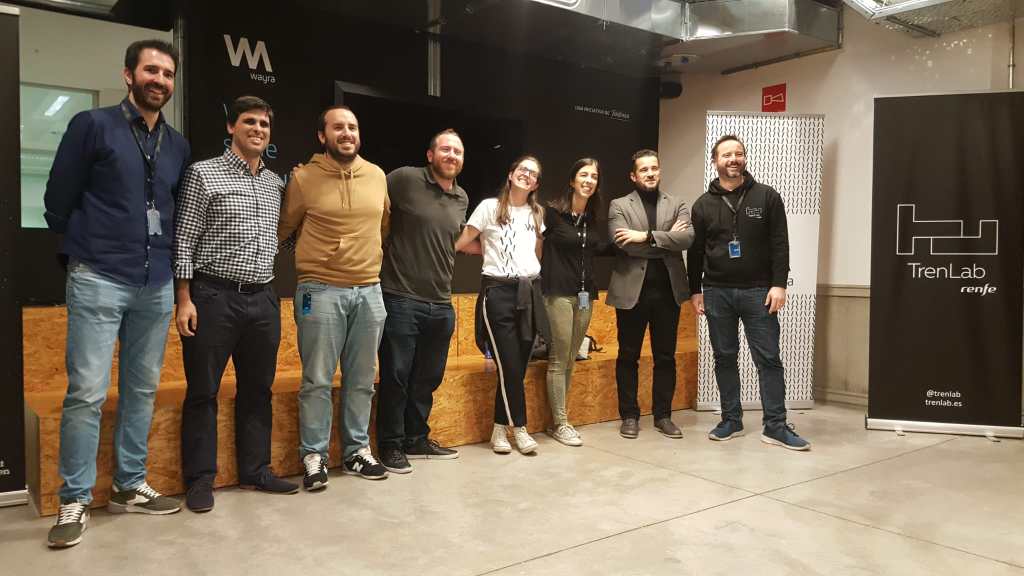
During the entire process, we were able to speak with representatives of Renfe’s TrenLab. These were some of the people currently responsible for developing the Virtual Travel Assistant. We asked them about the companies goals, the visions for the product, and other questions about Renfe’s overall service
Train Staff
While aboard, we were able to talk staff in the café car as well as the train Supervisor. We discovered that there actually isn’t that many staff aboard the Train on any given trip!
Passengers
During the approximately 2 hour journey, we spoke with 10-15 passengers aboard the train. We asked them open questions about their profile, frequency and purpose of travel, overall impressions, and problems they may have encountered.
Analysis and Definition
After collecting a lot of qualitative data from our interviews, we began to analyze and define the problems:
1. Key Insight

After discussing, organizing, and voting on problems, we found that perhaps the most important and relevant was the fact that”
63% of Renfe passengers don’t know how to communicate or report incidents while on board the train
2. Why focus on this problem?

- From our desktop research and interviews with Renfe’s staff, we identified this problem.
- From our passenger interviews, we confirmed that it was likely true.
- From our interviews with TrenLab staff about the visions for the product, we found that solving this problem was very relevant to their goals.
3. Persona
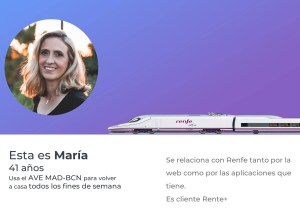
From our passenger interviews, we created a user persona. Although train passengers are very diverse, we focused on a person that would likely report problems if they knew how to.
4. Journey Map and Cases
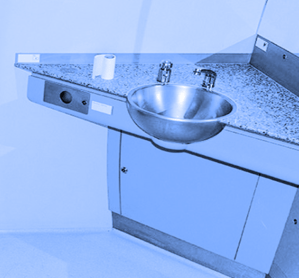
From our interviews with passengers and staff, we created a journey map and identified 4 frequent cases of problems that would need to be reported. Our initial solution would have to at least address these 4 cases.
Missing Items
There is no toilet paper, soap, etc.
Seat changes
When the train is inverted, sometimes passengers find that their seat no longer has a table.
Mechanical Problems
Broken seats, doors, etc.
Timing Issues
Delays, time changes, etc.
Ideation and Design
The Service Recovery Paradox

Customer loyalty will be higher if an issue is resolved well than it would have been had the issue not occurred at all.
When brainstorming about possible solutions, we kept in mind this idea. Instead of preventing issues aboard the train, how might we deal with them in a customer-friendly way?
How Might We?
Communication
How might we allow the customer to communicate with Renfe and feel listened to?
Community
How might we build a community in which passengers help Renfe and each other?
Loyalty
How might we generate empathy and get passenger to trust in Renfe’s service?
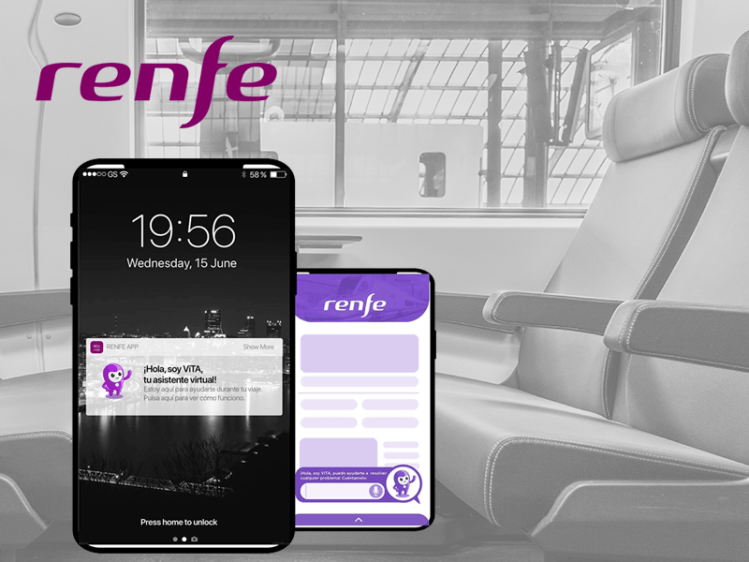
ViTA: A system to optimize the reporting and management of issues aboard Renfe trains
Personalized

The Virtual Travel assistant is no longer just faceless technology. It’s name is ViTA and it wants to helps you! ViTA is here to your issues and do her best to resolve any problem.
Omnichannel

- Incidents can be reported by voice or by text
- They can be reported from any type of device
- Report through the web platform, the APP or even whatsapp!
The Scope

What it is:
A front-end product that interacts with passengers, categorizes issues, and sends them digitally to the appropriate place
What it isn’t:
A back-end product for organizing Renfe employees and telling them how/when to respond to problems
The Flow
1. Notifications and Onboarding
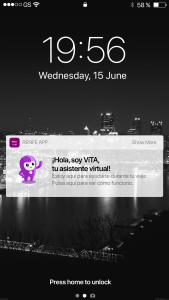
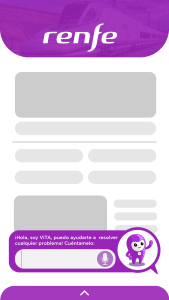
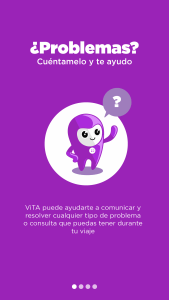
When passenger boards train, they are sent a notification from ViTA. They can open the platform to see the instructions.
2. Reporting an Issue
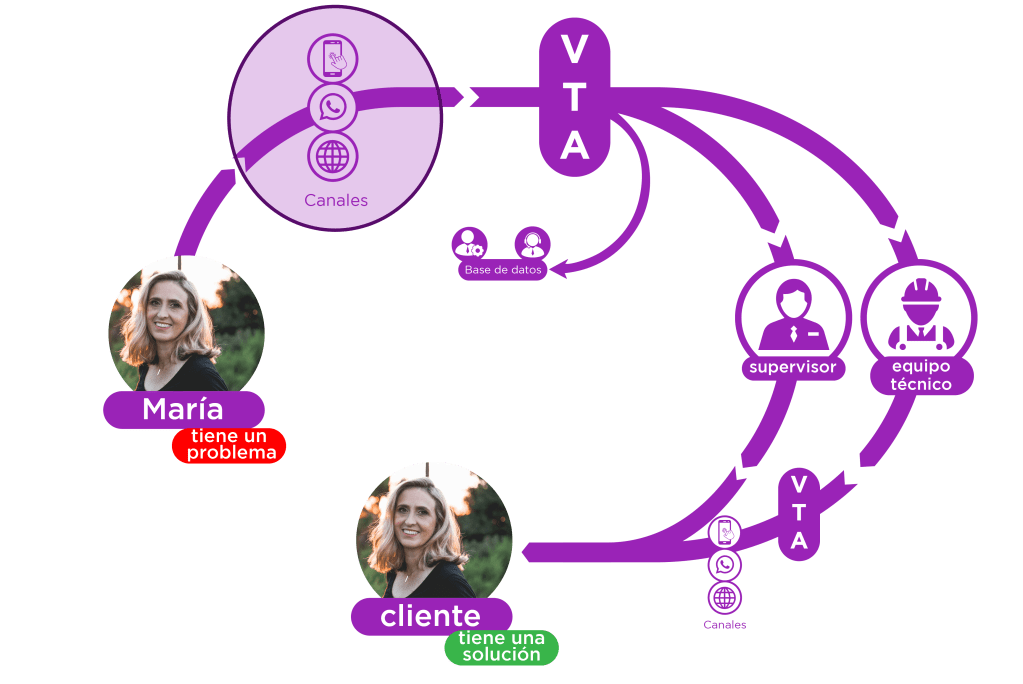

Passenger can report any problem at any moment. With the omnicanal solution, reporting can be done through voice or text from any type of device.
3. Sorting and Storage
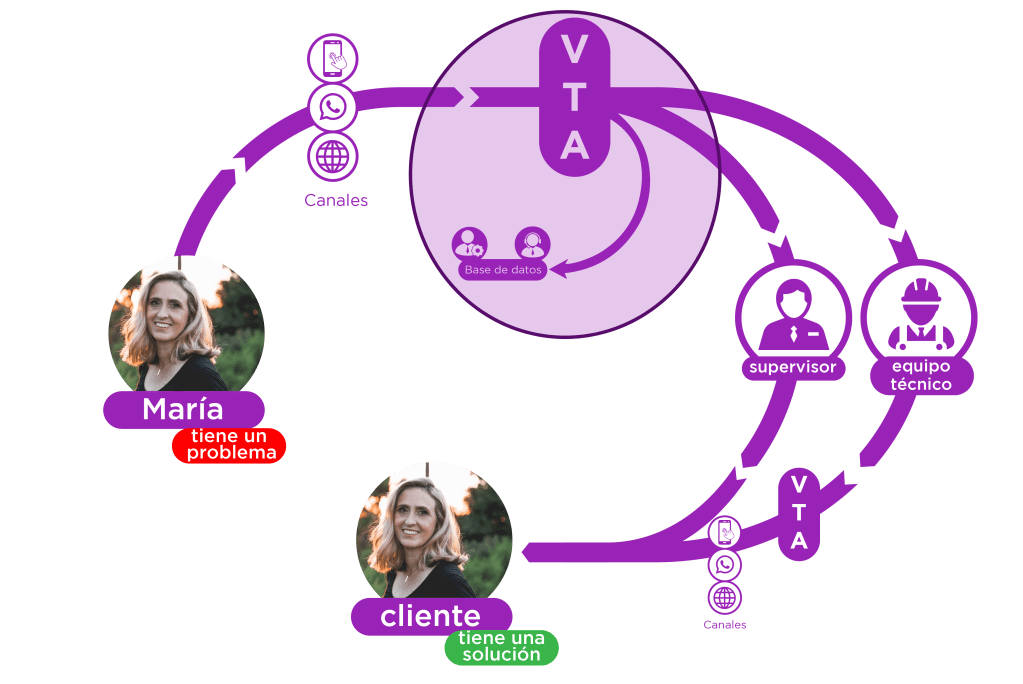
ViTA sorts the reports by category, urgency, etc. They are immediately sent to the database for storage
4. Alerting
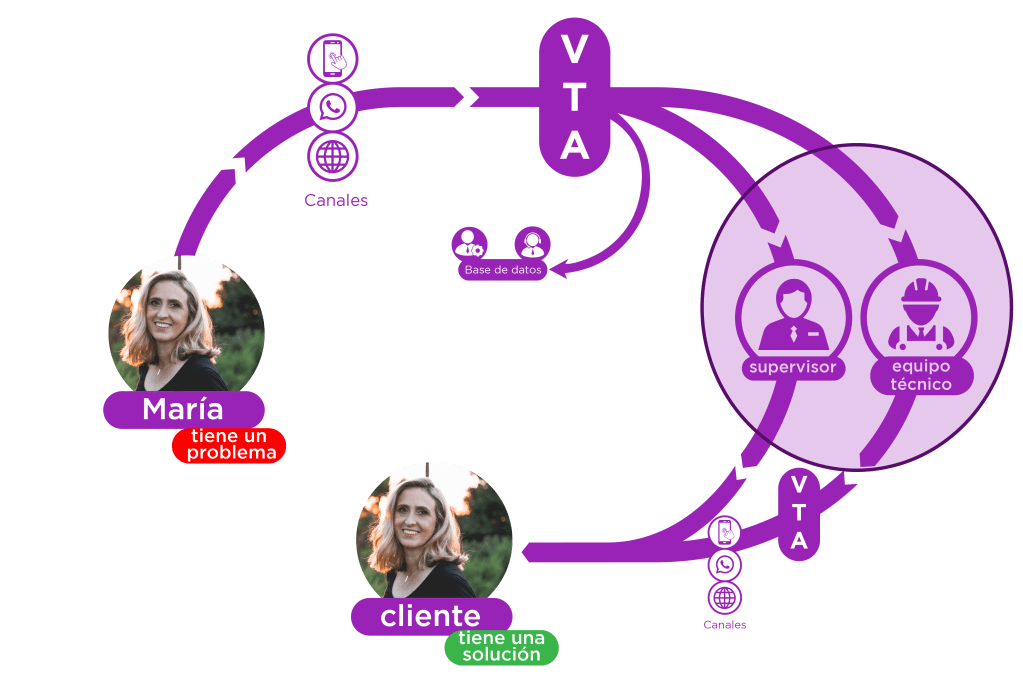
Based on the sorting, the complaint is sent to the appropriate personnel:
- If it is something that can be solved on the train, it is sent directly to the supervisor
- If it is a more technical issue, it is sent to the appropriate off-train team
5. Immediate Response
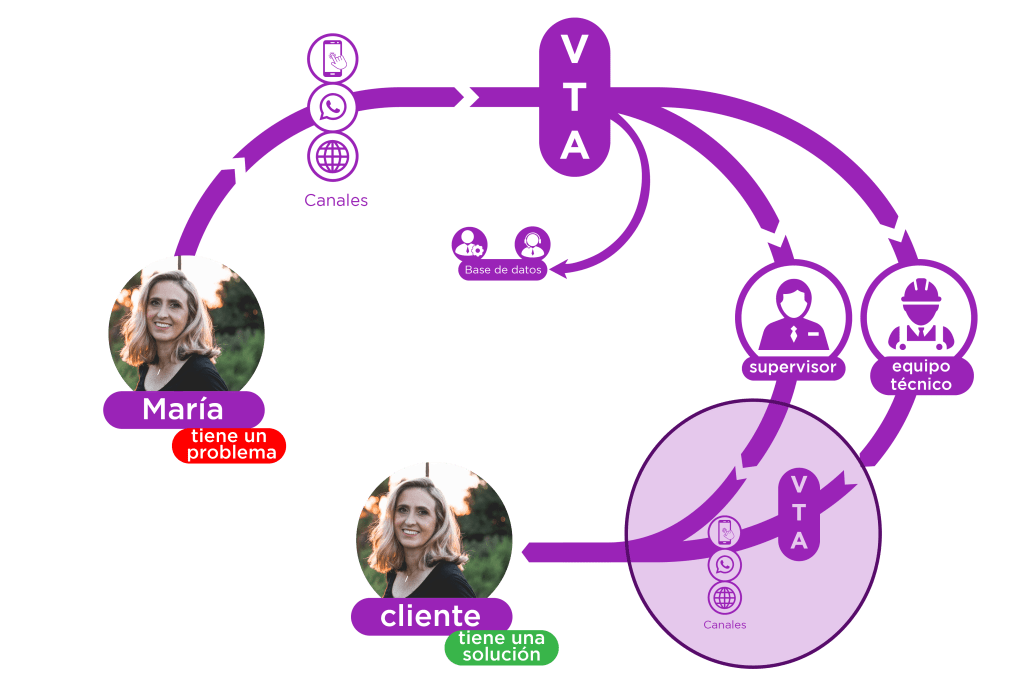
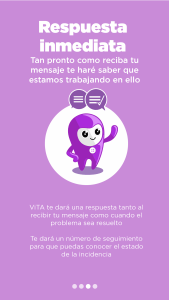
ViTA an immediate response to the passenger to let them know that their issue has been heard
6. Status and Monitoring
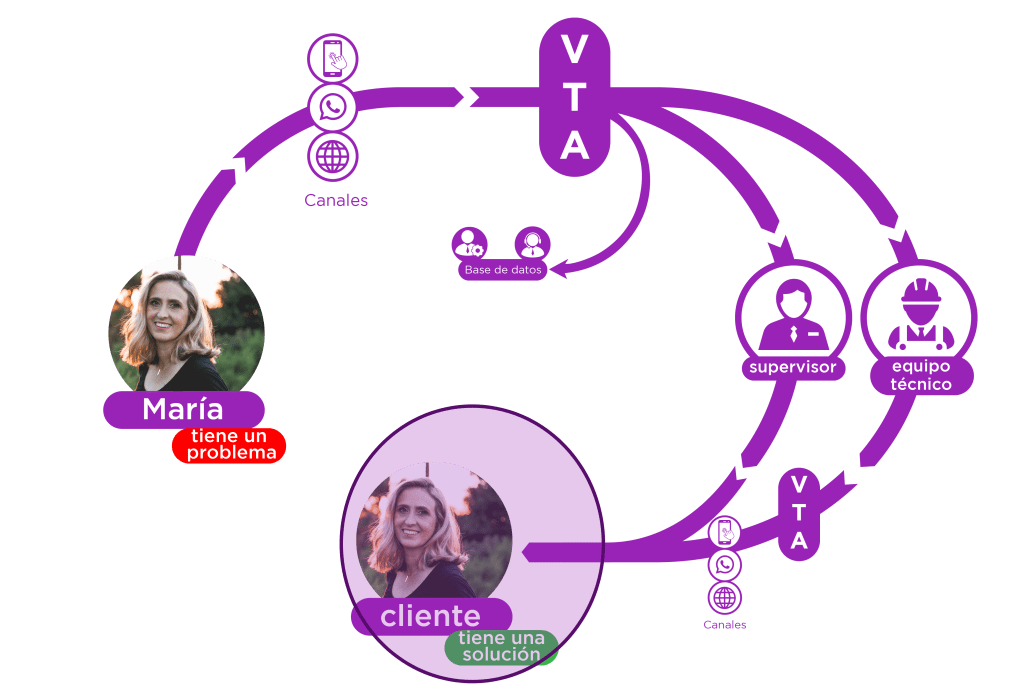
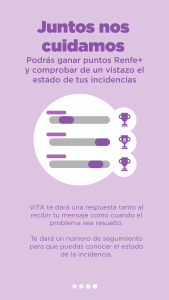
The passenger can see the state of their issue at any moment and will be notified when it is resolved
Reflections
Benefits for Renfe

Reporting and Management
Possibility to receive and respond to issues in a rapid manner

Customer Loyalty
Increased empathy and trust in Renfe as a brand

Easy Integration
The reports convert to a digital form for easy storage into current database

Personalization
With ViTa, the customer will feel a more personalized experience
Personal Learnings

1. Omnichannel UX and the future of design
In the future, User Experience will likely no longer consist mostly of pushing buttons on smartphone screens. We need to be prepared to think up solutions that work with voice, gestures, and whatever other types of interactions become prevalent.These interactions must work regardless of the type of device being used.
2. The importance of the flow. UX vs UI
Because we were trying to make our solution as omnichannel as possible, we had to focus on the flow instead of designing specific screens. Too often companies and designer become too focused on the UI and not the UX. As UX designers, we must take into account the entire flow of the solution.
 Mark Ohren